







Digital Scams
Digital scams are fraudulent activities carried out through online platforms, websites, social media, messaging applications and other digital communication channels. Scammers may impersonate trusted institutions, offer attractive employment opportunities, establish fake relationships or create fraudulent websites to obtain money and confidential financial information.

Never Share Your OTP, PIN or Banking Password
Never disclose your confidential banking credentials to anyone, even if they claim to represent your bank or another trusted institution.
Types of Digital Scams
Website Spoofing Scams
Fraudulent websites that look like legitimate banking websites to obtain your login credentials and OTPs.
Online Job Scams
Fake job offers circulated through social media and messaging platforms, promising attractive earnings for simple online tasks.

Romance Scams
Fake romantic relationships built online to gain your trust and eventually request money under various pretences.
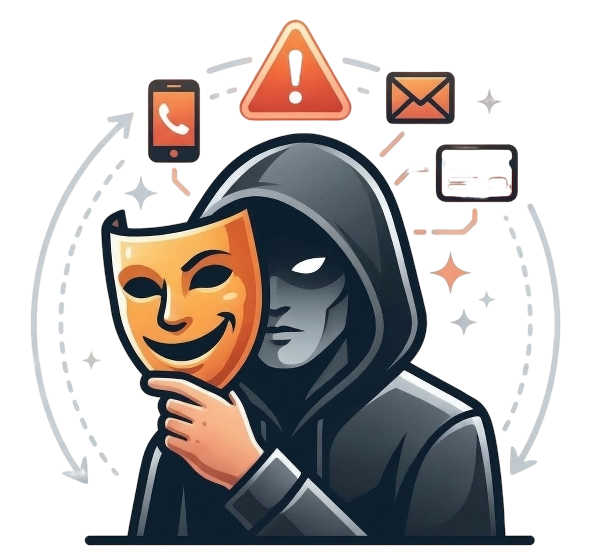
Impersonation Scams
Scammers pose as trusted individuals, financial institutions, public authorities or other legitimate entities to obtain money or confidential information.
How Digital Scams Work

1. Initial Contact
A suspicious SMS, social media message, email or online advertisement reaches you.

2. Gain Trust
The scammer impersonates a trusted institution or offers an attractive opportunity.

3. Request Money or Details
You are asked to share confidential information, click a link or transfer funds.

4. Financial Loss
The scammer gains access to your banking information or obtains your money.
How to Protect Yourself
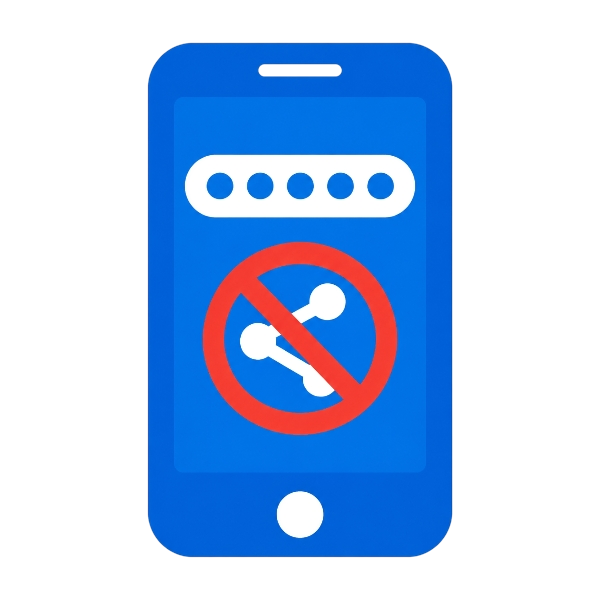
Never Share OTPs
Do not disclose OTPs received from banks or payment applications to anyone.

Avoid Suspicious Links
Do not click on unknown or unsolicited links received through messages or emails.
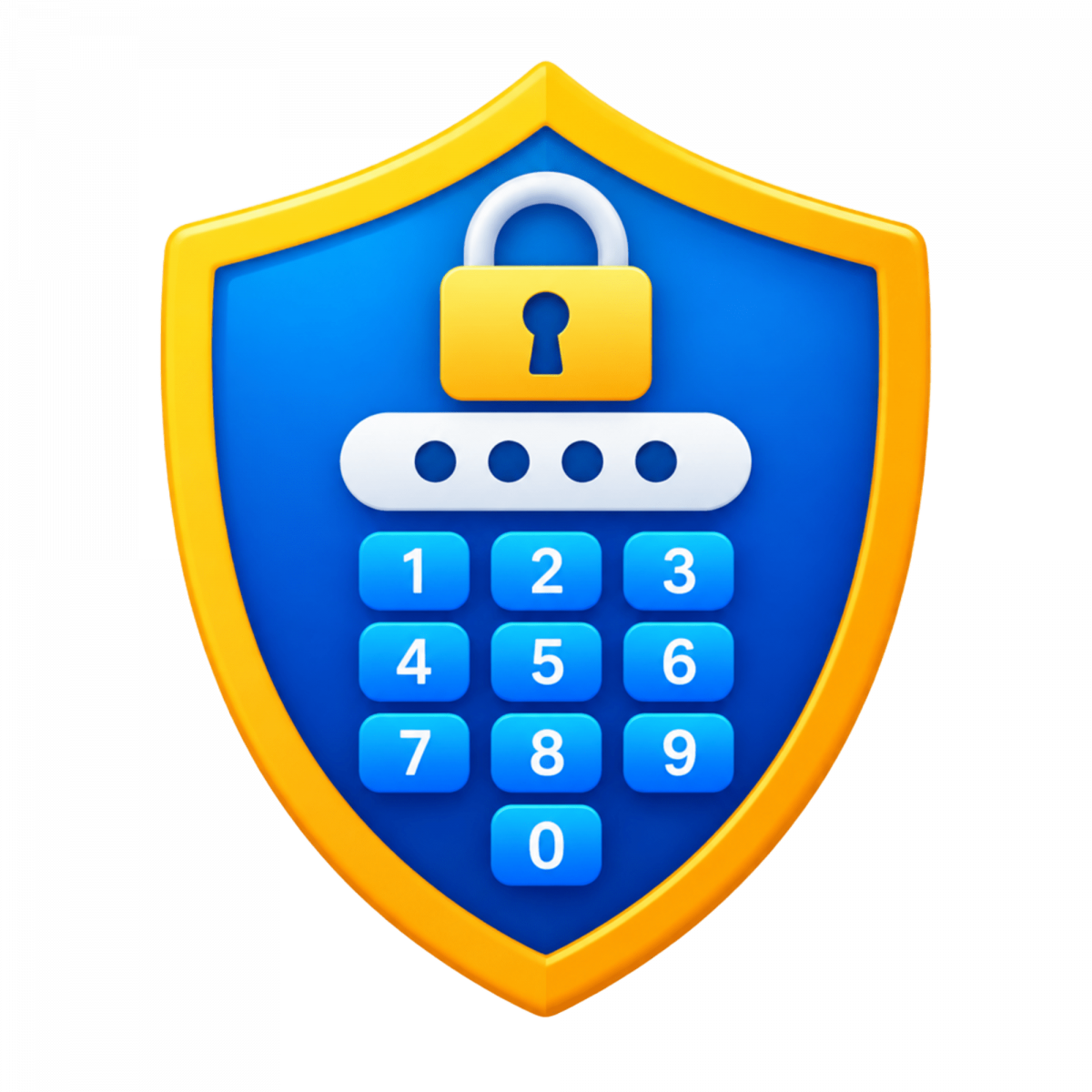
Protect Your PIN
Never share your PIN, passwords or card information with anyone.

Enable SMS Alerts
Activate SMS alerts to monitor transactions and activities in your bank accounts.
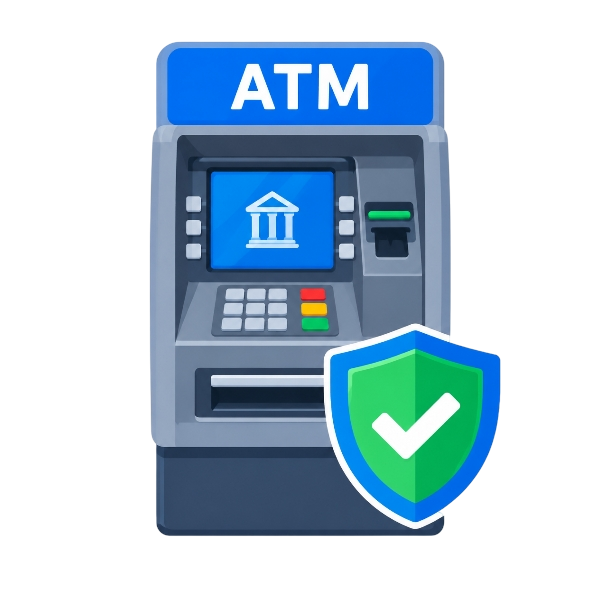
Stay Safe at ATMs
Avoid accepting assistance from unknown individuals when using ATMs.
Use Secure Connections
Avoid conducting financial transactions over public Wi-Fi networks.
Spot the Red Flags
Have You Been Scammed?
Act Immediately!
Taking immediate action can help limit further financial losses and protect your accounts.
Contact Your Bank
Immediately notify your bank if you suspect unauthorised transactions or disclosure of confidential information. Request necessary action to secure your accounts and block affected cards or services.
Secure Your Accounts
Change compromised passwords, revoke suspicious access and request your bank to secure affected accounts, cards or services.
Save Evidence
Keep relevant screenshots, messages, transaction references and other records relating to the incident.
Report the Incident
Report the suspected scam to the relevant law enforcement authorities and other appropriate institutions.
Protect your money and personal information. Verify financial offers and check before you act.